Essential Plumbing Tips for Homeowners
As a homeowner, understanding basic plumbing tips can save you time and money while preventing potential disasters. Simple tasks such as knowing how to shut off your water supply, recognizing the signs of plumbing issues, and performing routine maintenance can empower you to manage your plumbing system effectively.
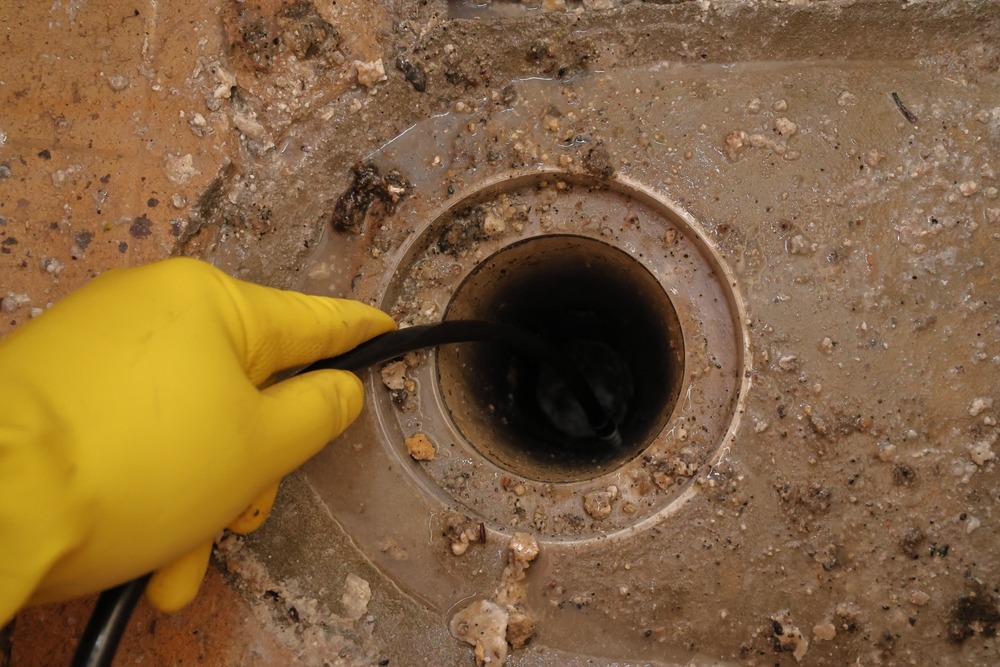
For instance, regularly checking for leaks under sinks and around toilets can help catch problems early. Additionally, knowing how to clear minor clogs with a plunger or a drain snake can prevent more significant issues down the line. Homeowners should also familiarize themselves with the location of their main shut-off valve to act quickly in emergencies.
Understanding Common Plumbing Terms
Familiarizing yourself with common plumbing terms can enhance your communication with professionals and improve your understanding of plumbing issues. Terms like "drainage," "venting," and "fixture" are essential to grasp when discussing your plumbing needs.
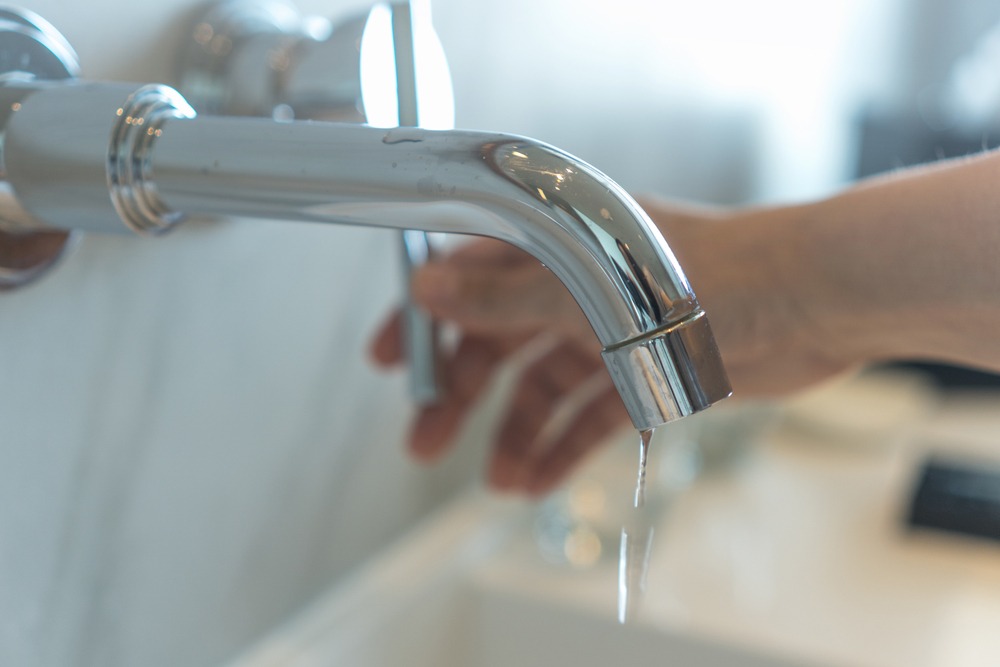
For example, knowing that drainage refers to the system that removes wastewater can help you understand why certain plumbing problems occur. Similarly, understanding what a plumbing fixture is—like sinks, toilets, and faucets—can aid in making informed decisions when upgrading or repairing your home’s plumbing system.
Preventative Maintenance for Your Plumbing System
Preventative maintenance is crucial for extending the life of your plumbing system and avoiding costly repairs. Regular inspections and maintenance tasks can help identify potential issues before they escalate into major problems.
For instance, flushing your water heater annually can prevent sediment buildup, which can lead to inefficiency and damage. Additionally, inspecting your home for signs of leaks and ensuring that all pipes are insulated can help maintain optimal plumbing performance throughout the year.
When to Call a Professional Plumber
Knowing when to call a professional plumber is essential for maintaining your plumbing system effectively. While some minor issues can be handled by homeowners, certain situations require the expertise of a trained professional to ensure safety and compliance with local codes.
For example, if you encounter persistent clogs, significant leaks, or require installation of new fixtures, it’s best to seek professional help. Attempting to tackle complex plumbing problems without the right tools and knowledge can lead to more extensive damage and higher repair costs in the long run.